
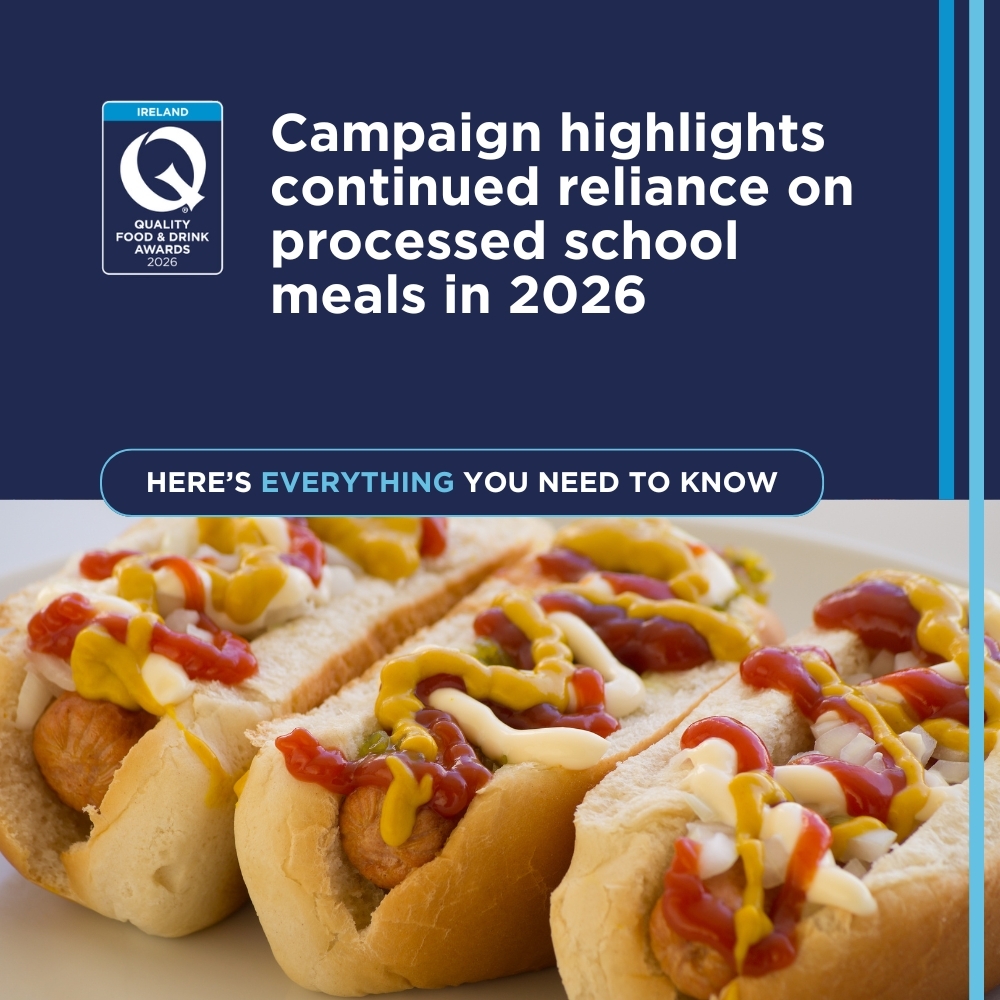
Campaign highlights continued reliance on processed school meals in 2026
A new campaign, supported by celebrity Emma Thompson, exposes ongoing concerns over Ultraprocessed foods served in UK and Irish schools, reigniting calls for stricter standards and reform in school catering.
More than twenty years after a high-profile campaign reshaped what some children eat at school, a new wave of photos and a celebrity-backed film have reignited debate over the quality of lunches served to pupils in the UK and the Republic of Ireland. An Irish nutrition coach has published a series of images showing plain, processed and carbohydrate-heavy dishes reportedly supplied to schoolchildren in 2026, while a charity film narrated by actress Emma Thompson urges ministers to tighten oversight of school food standards. Inspired by the Daily Mail coverage of the story
The pictures shared on social media and directly with the campaigner portray meals dominated by pasta, reconstituted meat products, white bread and scant evidence of vegetables, prompting anger from parents and teachers who supplied the images. According to the Food Foundation, which produced the short film, many schools still rely on ultra-processed options that are cheap but low in nutrients; the charity warns this is particularly damaging for pupils from low-income households.
Emma Thompson’s narration in the campaign film frames the issue around poverty and public health, arguing that inadequate school meals contribute to unequal childhood development and poorer educational outcomes. "Every child has the right to healthy food – let’s get it right in all our schools. Let’s give all our kids a good lunch," she says in the footage, which calls for updated standards and stronger monitoring of what is actually served.
The controversy recalls the early 2000s when chef Jamie Oliver’s "Feed Me Better" campaign highlighted heavily processed products in school kitchens, notably the corkscrew-shaped Turkey Twizzlers which were found to contain little meat and attracted widespread criticism. That campaign helped prompt new school-meal standards and saw some caterers change menus, though processed items continued to provoke debate and consumer resistance.
Industry pushback and consumer behaviour complicated reform then and now: after initial publicity in 2005, sales of the criticised product in some outlets actually rose, underscoring how commercial decisions and parental purchasing can undermine public-health messaging. Campaigners since have proposed different remedies, including bringing professional cooks into school kitchens to improve appeal and training, an idea supported by some chefs and education advocates.
Public responses to the 2026 images and film have been mixed. Some school staff and parents point out that kitchens provide salads, fruit and cooked vegetables but say uptake is inconsistent; others argue catering firms should not be allowed to supply such low-standard meals at all. The Food Foundation maintains that voluntary guidance is insufficient and that the statutory framework for school food needs revision to reflect modern nutritional science.
Wider dietary trends provide context: research published in 2024 highlighted high consumption of ultra-processed foods across the UK and Ireland, with significant proportions of adults' diets made up of such items. Campaigners warn that when school meals echo those patterns, children miss an opportunity for a nutritious midday meal and for developing healthier eating habits.
Policy options under discussion range from clearer, enforceable nutritional standards and regular monitoring of compliance to investment in school kitchens and staff training so that healthier options are both available and attractive to pupils. As in the wake of earlier public campaigns, meaningful change will likely demand coordination between government, caterers, schools and families if the aim is to make nutritious school lunches both accessible and appealing to all children.